True crime puzzles sit where two big hobbies meet. On one side, millions of people listen to true crime podcasts and read case histories. On the other side, puzzle fans love a problem with one clean answer. Murder mysteries on a grid give both groups the same satisfying click.
In this series, we explore that overlap. Some posts look at real detective skills. Others revisit famous historical cases, respectfully, to see how reasoning cracked them.
Why true crime fans enjoy logic mysteries
True crime is about questions. Who was there? When? And who is lying? Those are exactly the questions a logic mystery asks. However, real cases rarely end neatly, while a puzzle always does.
That contrast is the appeal. After an hour with a messy, unresolved case, a fictional case that resolves perfectly feels like fresh air. In addition, solving it uses the same muscles: checking alibis, comparing statements and spotting the one detail that does not fit.
Real detective skills inside true crime puzzles
Every Sleuthdoku case trains three investigative habits:
- Placing people in time and space, just like reconstructing a timeline.
- Testing statements against each other, as investigators do with witnesses.
- Eliminating the impossible until one explanation remains.
The last habit is classic deductive reasoning. Fictional detectives made it famous. Real investigators, meanwhile, use it every day, together with evidence and science.
Real cases we will cover
Over the coming months, we will look at a handful of well-documented historical cases. For example, we will cover the wireless telegram that caught Dr. Crippen and the face powder that broke a false alibi in 1912 Lyon. We will also revisit the chess-club phone call behind the Wallace case.
We will tell these stories with care. They involved real victims and real families. So the focus stays on the reasoning, not on gore.
Where fiction fits in
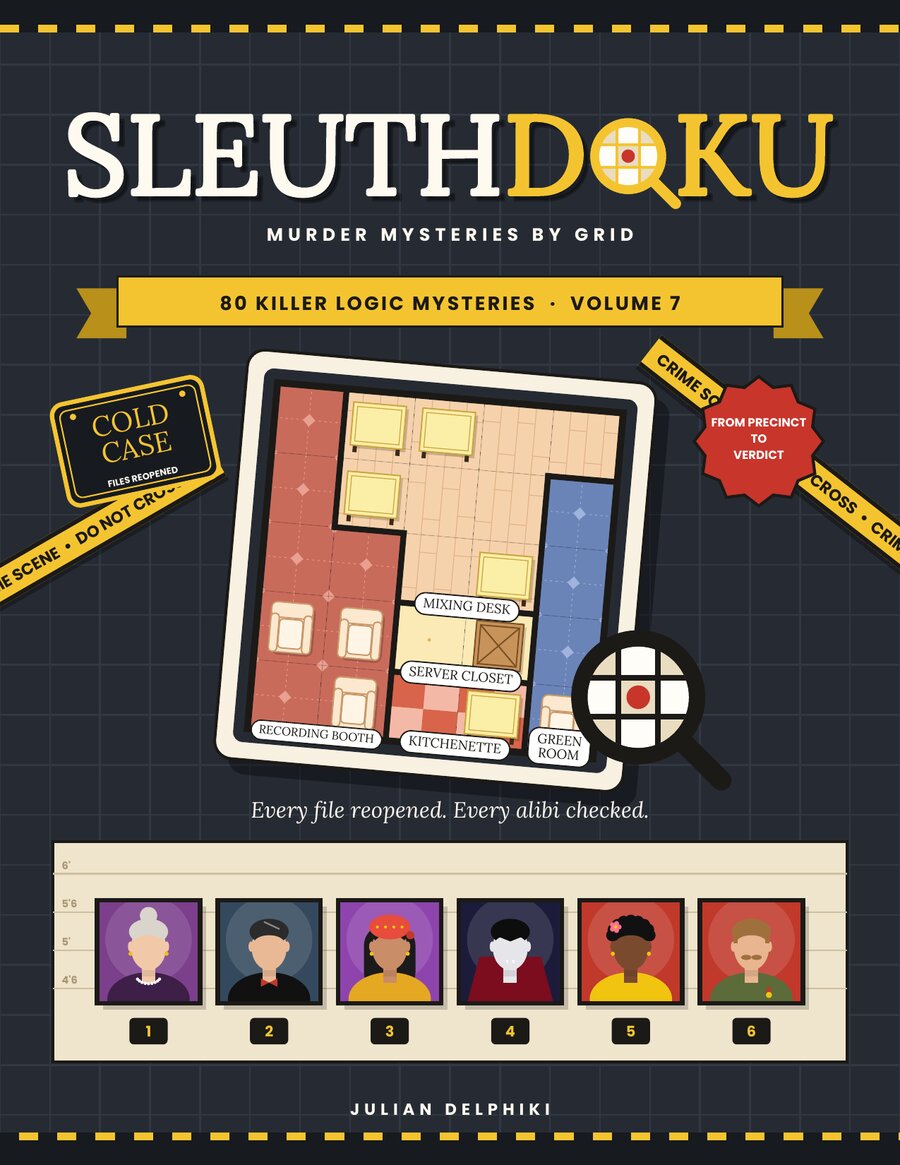
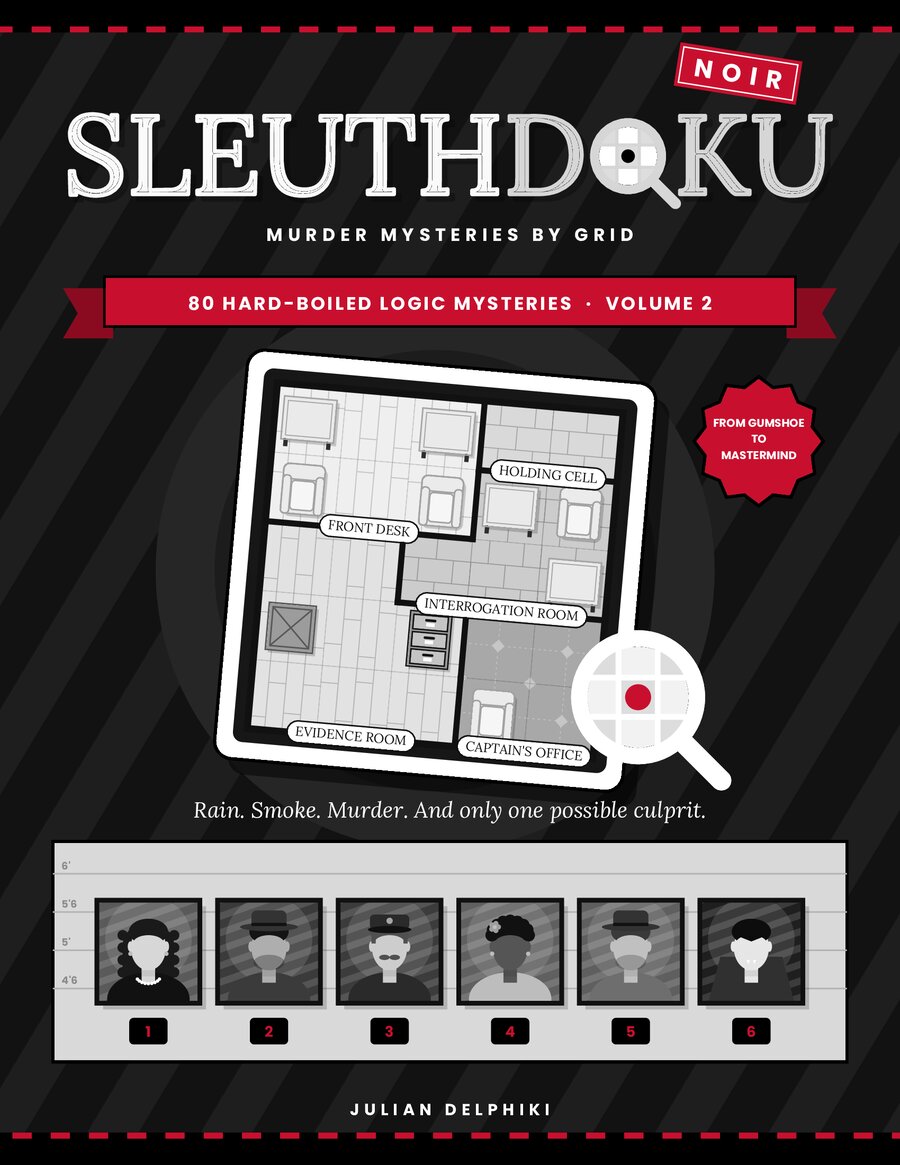
Of course, the puzzles themselves are fiction. In Sleuthdoku Cold Case Files, Chief Inspector Hawkshaw reopens eighty invented files. Then Sleuthdoku Noir moves to a rainy city full of crooked cops. Both books borrow the mood of true crime, yet every victim is imaginary.
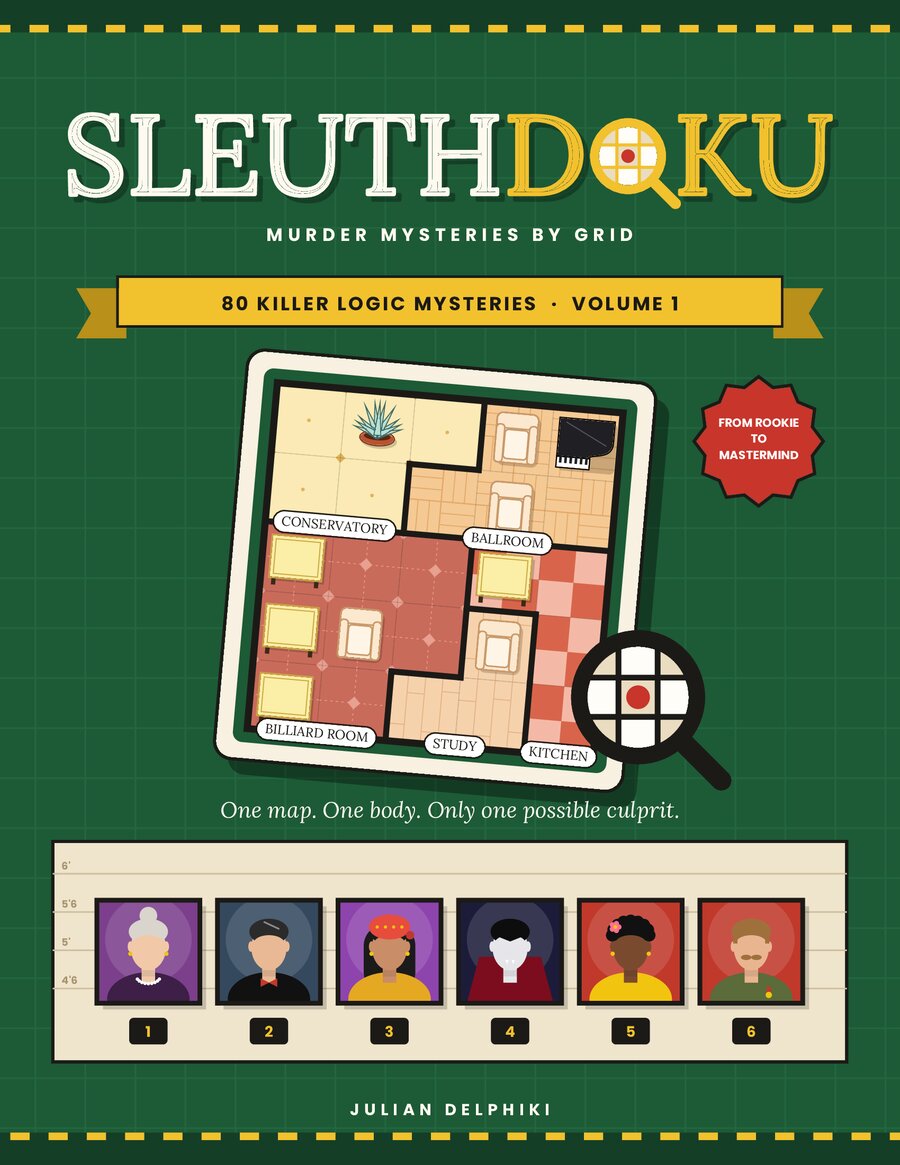
If you have never tried a murder grid, start with Sleuthdoku Volume 1. Its early cases teach the rules in minutes.
Follow the series
This article is the hub of our true crime puzzles series. Every new post, from alibis and eyewitnesses to cold cases and locked rooms, will appear in the list below as it goes live. In the meantime, keep your notebook open. Real or fictional, every case starts with a single question: who was alone with the victim?
In this series
- Deductive Reasoning: How Detectives Think, and How You Can Too
- The Dr Crippen Case: How a Wireless Telegram Caught a Fugitive
- Checking an Alibi: How Investigators Test Where Someone Was