Checking an alibi is one of the oldest jobs in detective work. A suspect says, “I was somewhere else.” The investigator then asks a simple question: can that be true? The answer depends on time, place and witnesses. Puzzle solvers, it turns out, ask the very same question on every case.
This article is part of our true crime puzzles series. It also builds on our post about deductive reasoning.
What an alibi really is
The word alibi comes from Latin and means “elsewhere”. In a criminal case, it is a claim that the suspect was in another place when the crime happened. If the claim holds, the suspect could not have committed the act.
However, an alibi is only as strong as its evidence. A friend’s word is weak. A timestamped receipt is stronger. Several independent witnesses are stronger still.
How investigators approach checking an alibi
In general, investigators work through three questions:
- When exactly did the crime happen?
- Where does the suspect say they were at that time?
- What independent evidence supports or contradicts that claim?
The first question is often the hardest. Without a clear time, an alibi can neither stand nor fall. That is why so many famous cases hinge on a clock.
Why alibis fail
Alibis usually fail in one of a few ways. Sometimes the timeline has a gap long enough to commit the crime. In other cases, witnesses contradict each other. Occasionally, someone tampers with the evidence itself. In 1912 Lyon, for example, a suspect reportedly set a clock forward to fool his friends, a case we will cover later in this series.
In short, a strong alibi survives cross-checking. A weak one collapses when a single fact does not fit.
Checking an alibi inside a murder grid
A murder grid turns this process into a game. Each clue is a witness statement about where someone was. Your job is to make them all fit at once. If two statements cannot both be true for a placement, that placement is wrong.
In the end, the alibi test is built into the final rule. The culprit is the only person alone with the victim. Everyone else, by definition, was elsewhere or in company.
Practise the skill
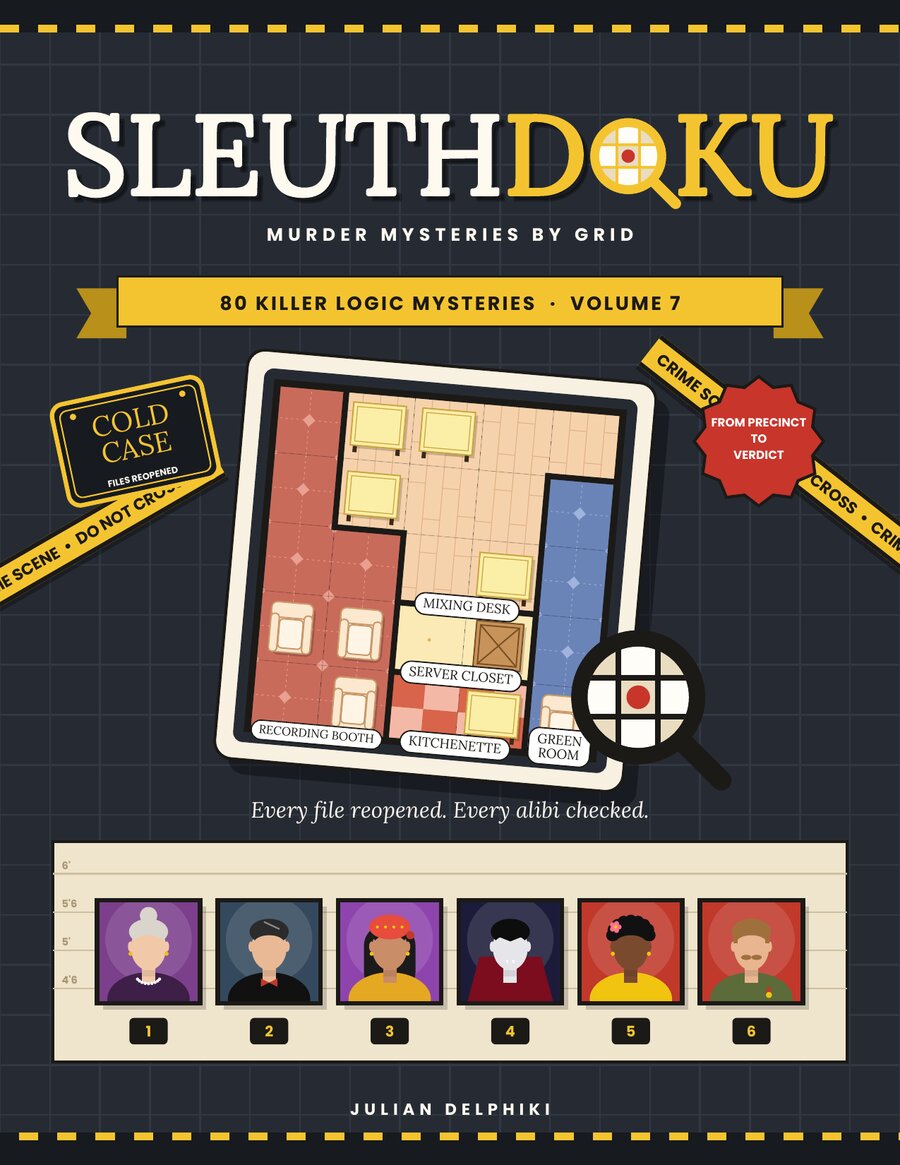
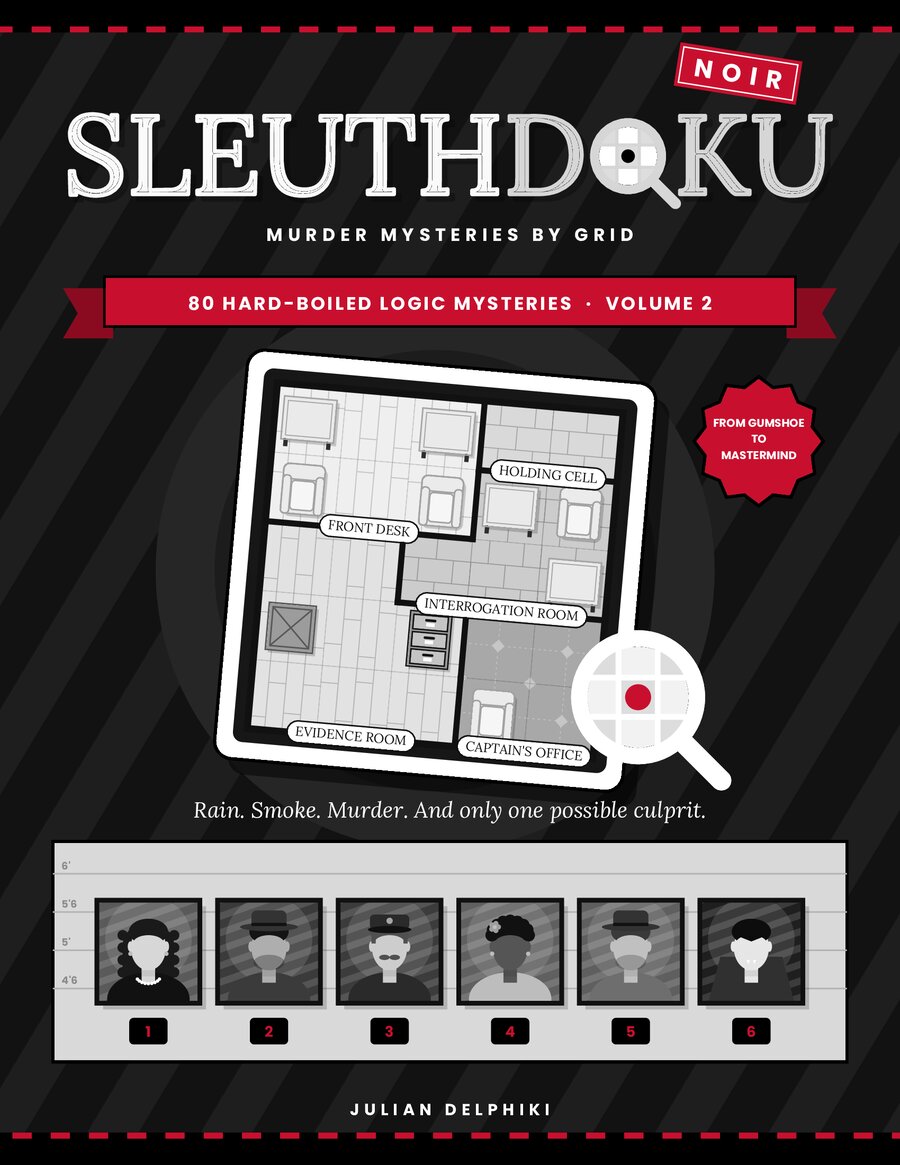
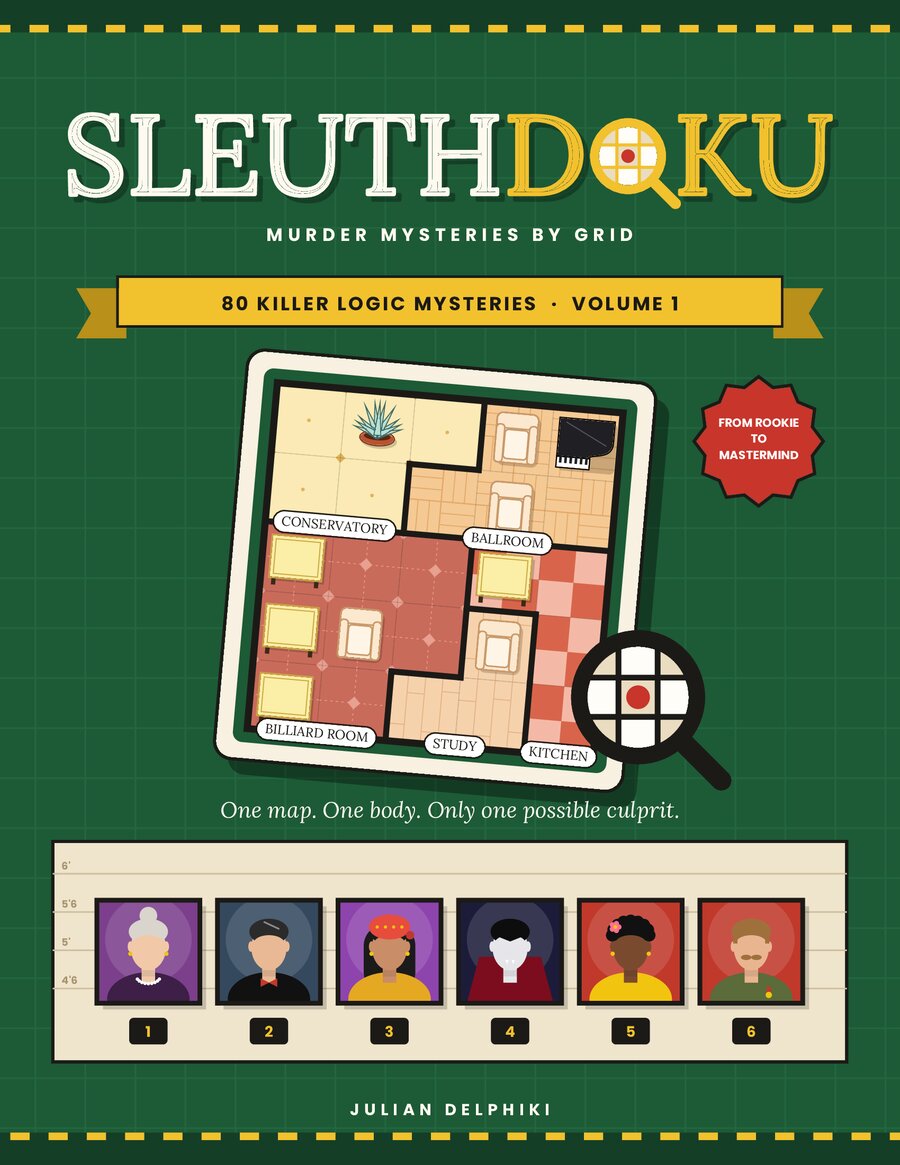
Sleuthdoku Cold Case Files is built around this idea, with old files and shaky stories. For a moodier version, Sleuthdoku Noir introduces a femme fatale with three alibis, all of them lies. Beginners, meanwhile, can start with Sleuthdoku Volume 1.
Next time you read a true crime story, try checking an alibi like a puzzle. Write the times down, place everyone, and see whose story breaks.