In Sleuthdoku, the culprit is always the only person who was alone with the victim. That single rule turns a grid of names into an accusation. You place everyone with logic, then you look at the rooms. One room holds the victim and exactly one other person. That person did it.
This article is part of our series on what a murder sudoku is. It also expands on how rooms work in a murder grid.
Why rooms matter
Every map is split into rooms by thick black walls. A room can be large or tiny. It might be a ballroom, a pantry or a single square of hallway. Regardless of size, walls divide the space completely. So two people in the same room could see each other, while people in different rooms could not.
As a result, “alone with the victim” is a precise idea. It means sharing the victim’s room with nobody else.
How to find who was alone with the victim
Once the grid is complete, follow three quick steps:
- Find the victim’s square.
- Trace the walls of that room.
- Count the other people inside it.
If exactly one other person stands in the room, the case is closed. Of course, a well-made puzzle always ends that way.
Using the rule while you solve
Here is the clever part. The ending rule can also help during the solve. For example, if the room you suspect already holds two other people, the victim cannot be there with only one. Moreover, experienced solvers notice when a room has room for exactly two people. That often marks the crime scene early.
However, be careful. Do not force the ending. Place people with logic first, and let the final rule confirm what the grid already says.
Common mistakes
First, solvers sometimes count people in nearby rooms, because squares look close. Walls, not distance, decide rooms. Second, people forget the hallway. Even a corridor counts as a room if walls enclose it. Third, some solvers stop before placing everyone. Always finish the grid before you accuse.
Where the idea comes from
Classic mystery fiction loves the closed room. A guest is found alone with the body, and every reader suspects them. That idea runs from the locked-room mystery to country-house novels. Sleuthdoku simply turns it into a clean rule.
Try it on themed cases
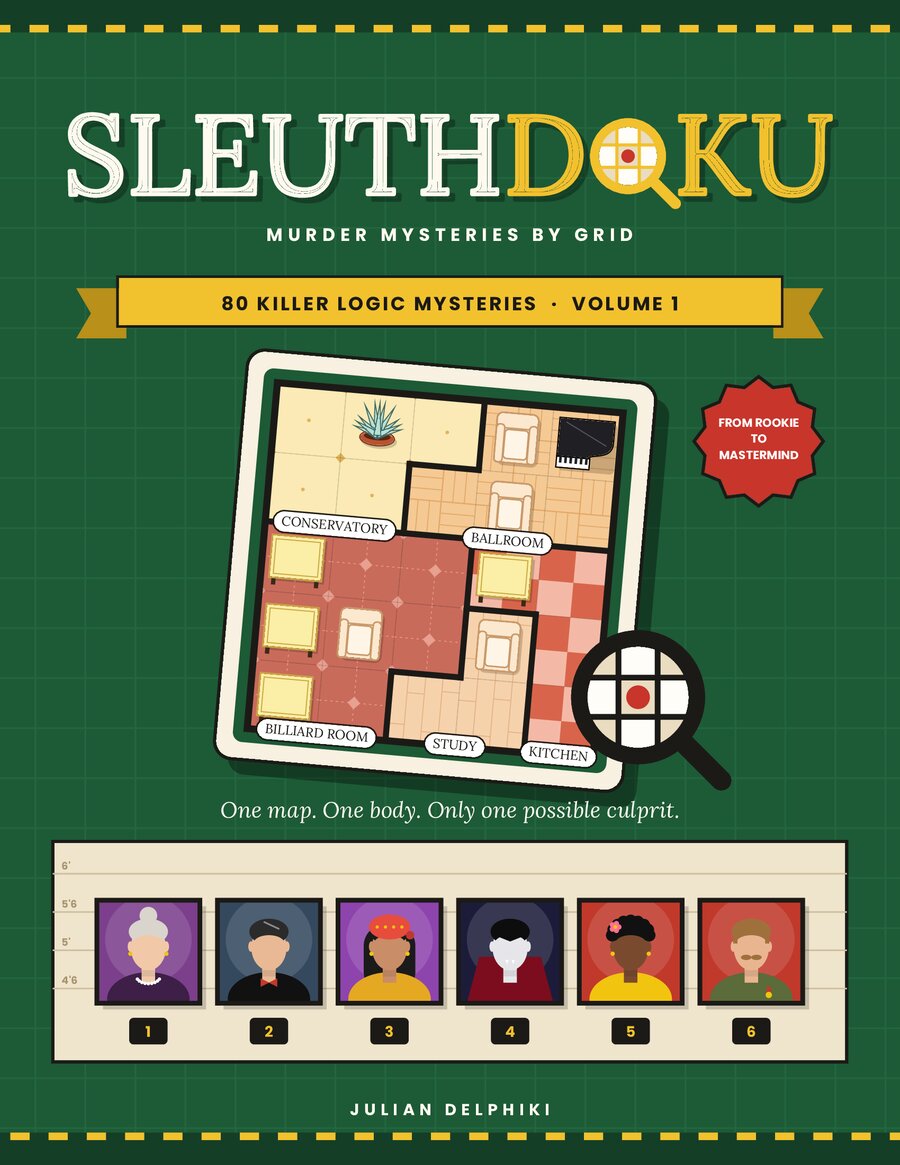
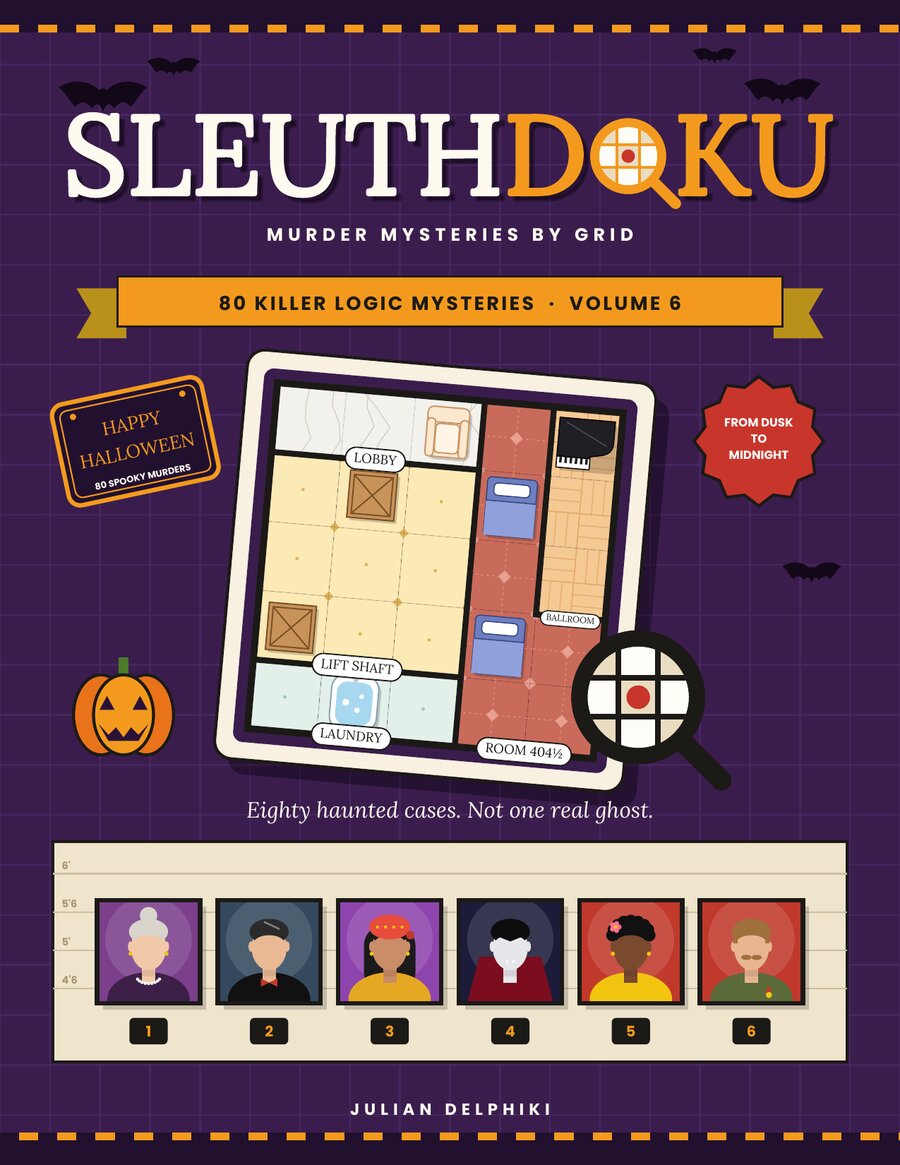
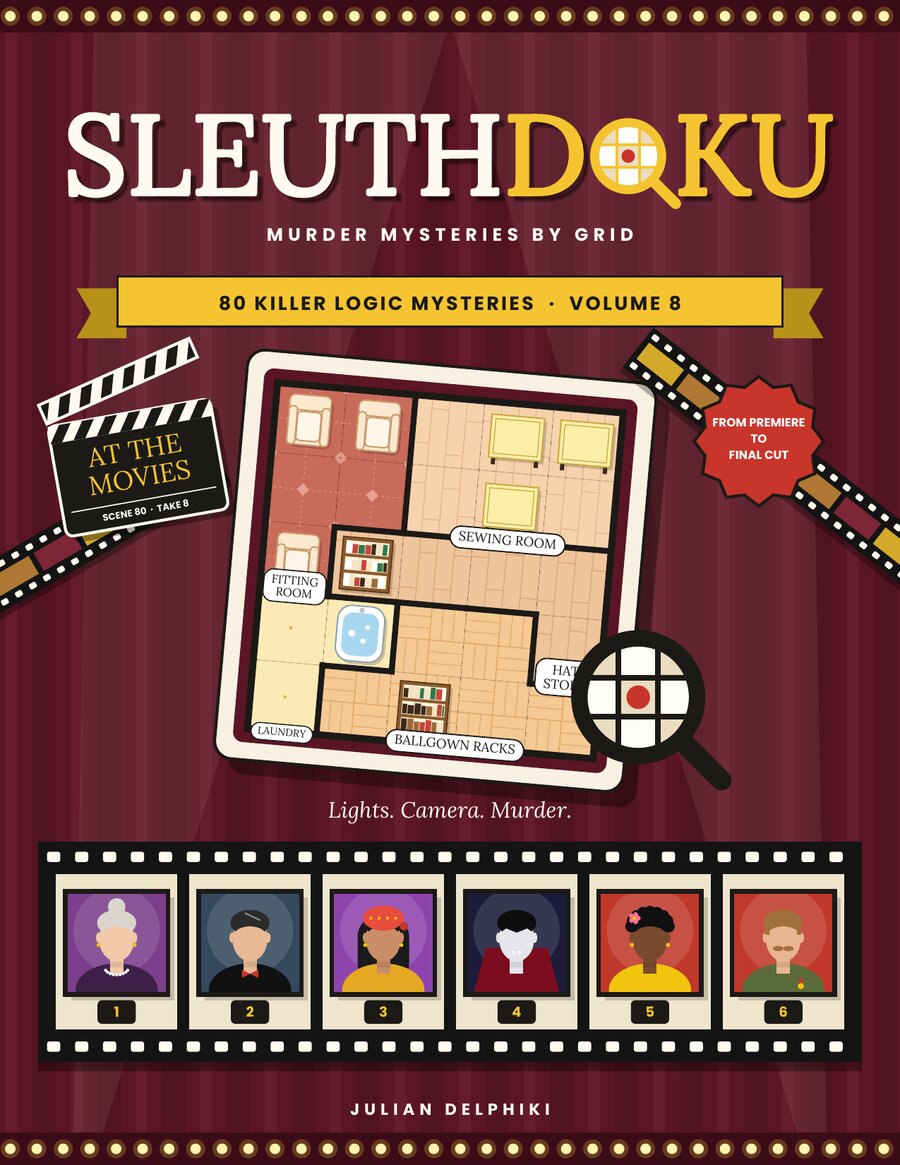
Every volume uses the same ending, whatever the setting. In Sleuthdoku Halloween, the room might be a crypt. In At the Movies, it might be a dressing room. And in Sleuthdoku Volume 1, it is often a library.
So next time you finish a grid, take a breath before you accuse. Find the room, count the people, and see who was alone with the victim.